Rajma Chawal — kidney bean curry with rice — is the undisputed comfort food of North India. Ask any Punjabi what their favourite home-cooked meal is, and most will say Rajma Chawal without hesitation. It's the Indian equivalent of beans on toast, mac and cheese, or a Sunday roast: simple, warming, deeply satisfying, and loaded with nostalgia. Every Monday across millions of North Indian homes, Rajma Chawal is served for lunch — it's literally known as "Monday food" because families prepare it at the start of every week. "Rajma recipe" is one of the most consistently searched Indian vegetarian terms globally, year after year, and the search volume is growing in the UK as plant-based eating expands.
The genius of Rajma is in its simplicity: kidney beans, onion, tomato, ginger-garlic, and a handful of everyday spices simmered until the gravy is thick and clingy. No cream. No coconut. No cashews. No complexity. Just beans and gravy done properly. At Pick N Save, we stock red kidney beans in multiple formats — Fudco Red Kidney Beans (dried, 500g and 1.5kg), TFS Red Kidney Beans (dried), KTC Red Kidney Beans (tinned 400g — the weeknight shortcut), and Natco Red Kidney Beans (dried and tinned). Dried beans produce a creamier, more flavourful result; tinned beans produce a perfectly good Rajma in 25 minutes with zero overnight soaking. We stock both because our Harrow customers have been buying both since 1999 — dried for Sunday cooking, tinned for Tuesday nights.
Tinned beans (25-minute method): Drain and rinse 2 tins (800g total) of KTC Red Kidney Beans 400g. They're fully cooked and ready to add directly to the gravy. This is the weeknight method.
Dried beans (traditional method — requires overnight soak): Soak 250g of dried red kidney beans (Fudco Red Kidney Beans 500g or TFS Red Kidney Beans) in plenty of cold water overnight (8–12 hours). The beans will roughly double in size. Drain, rinse, and pressure cook with 3 cups of fresh water and ½ teaspoon of salt for 15–20 minutes (about 6–7 whistles) until the beans are completely soft — you should be able to crush one easily between your fingers. Alternatively, boil in a large pot for 60–90 minutes until tender. Important safety note: Red kidney beans MUST be boiled at a rolling boil for at least 10 minutes to destroy the natural toxin phytohaemagglutinin. Pressure cooking and vigorous boiling both achieve this. Never slow-cook raw dried kidney beans at low temperature.
Heat 3 tablespoons of sunflower oil (KTC Pure Sunflower Oil 5 Litres) or ghee (KTC Butter Ghee 500g) in a large, heavy-bottomed pot over medium heat. Add 1 teaspoon of cumin seeds (Fudco Cumin Seeds 300g) and let them crackle for 5 seconds. Add 1 bay leaf (TFS Bay Leaves 50g) and a 3cm piece of cinnamon stick (TFS Cinnamon Sticks Dalchini 100g).
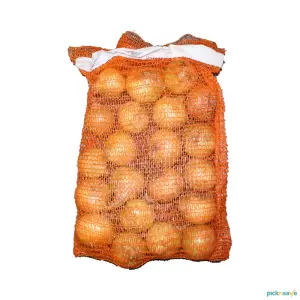
Add 2 medium onions, finely diced (White Onions Prepack 4Kg). Cook for 5–6 minutes, stirring regularly, until the onions are deep golden-brown — properly caramelised, not just soft. The depth of colour on the onions directly determines the depth of flavour in the final Rajma. Pale onions = pale flavour. Dark golden onions = rich, deep, complex flavour. This is the most important step in the recipe.
Add 1 tablespoon of ginger garlic paste (Fudco Ginger Garlic Paste 300g) and cook for 1 minute. Add 2 medium tomatoes, finely chopped (Fresh Vine Tomato 500g), or 200g of KTC Chopped Tomatoes. Cook for 3–4 minutes, stirring occasionally, until the tomatoes completely break down into a thick paste and the oil begins to separate at the edges — this is called "bhuno" in Hindi, and it's the point at which the raw tomato transforms into a cooked, concentrated masala base.
Add the ground spices: 1 teaspoon of Kashmiri chilli powder (TFS Kashmiri Mild Chilli Powder 100g), 1 teaspoon of ground coriander (TFS Dhana Coriander Powder 100g), ½ teaspoon of turmeric (TFS Haldi Powder Rajapuri 100g), ½ teaspoon of garam masala (TFS Garam Masala 100g), and 1 teaspoon of Rajma Masala if available (Shan Dal Curry Mix 100g or MDH Rajma Masala — both work as a shortcut that replaces all the individual spices). Add salt to taste. Stir the spices into the onion-tomato base and cook for 1 minute until fragrant.
Add the kidney beans (tinned and drained, or pressure-cooked and drained — reserve 200ml of the cooking liquid from dried beans for extra flavour). Add 400ml of hot water (or 200ml water + 200ml reserved bean cooking liquid). Stir everything together — the beans should be submerged in the gravy.
Bring to a gentle boil, then reduce to a low simmer. Cook uncovered for 15 minutes, stirring every 5 minutes. As the Rajma simmers, gently crush 5–6 beans against the side of the pot with the back of your spoon — this releases starch into the gravy and thickens it naturally. This is the technique that gives Rajma its characteristic thick, clingy gravy that coats every bean. Continue simmering until the gravy reaches your desired consistency — it should be thick enough to mound on a spoon but still pourable.
Add ½ teaspoon of garam masala and a generous knob of butter (Anchor Butter Salted 500g) — the butter stirred into the finished Rajma is a Punjabi tradition that adds richness and makes the gravy glossy. Stir gently. Squeeze the juice of half a lemon (Lemon Loose Yellow Big 3 pcs) for brightness. Scatter chopped fresh coriander (Fresh Coriander Bunch) on top.
Serve over a mound of steaming hot basmati rice (Tilda Basmati Rice 5kg) — this is Rajma Chawal, and the rice is not optional. Rajma is specifically designed to be eaten with rice, not bread — the thin-enough-to-pour gravy soaks into the rice and creates the most comforting combination in Indian cooking. Pair with a simple onion salad (sliced onion + lemon + salt + green chilli), a spoonful of Mango Pickle, and a side of Cucumber Raita.
Every single ingredient for this recipe is available at picknsave.co.uk with home delivery across London and the UK, or click and collect from our store in Harrow. Here's your shopping list:
*RI = Reference Intake. Values are approximate and may vary based on ingredients. Rajma is exceptionally high in dietary fibre.