Why This Recipe Works
Poori is the simplest bread in Indian cooking — three ingredients, one technique, and the most satisfying visual payoff of any recipe in this entire collection. You roll a small disc of atta dough, slide it into hot oil, and within 5 seconds it inflates into a perfect, golden, puffed ball. The puffing — watching flat dough transform into a balloon in real-time — is genuinely magical, and it's why "poori recipe" videos get millions of views on social media. Children are mesmerised. Adults are impressed. And the taste — crispy, slightly nutty from the wholemeal flour, warm from the oil — is the taste of celebration mornings across India.
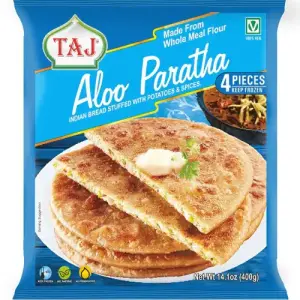
Poori is the third Indian bread in your collection after Garlic Naan (leavened, oven/tawa) and Aloo Paratha (stuffed, tawa-cooked). Each fills a different role: Naan goes with restaurant curries, Paratha is the breakfast bread, and Poori is the festive bread — served at Diwali, Holi, pujas, and weekend brunches alongside aloo curry (spiced potato curry), halwa (sooji halwa — a sweet semolina dessert), and pickles. The combination of poori + aloo + halwa is the most iconic vegetarian Indian meal — the holy trinity of celebration breakfasts that every North Indian household knows by heart.
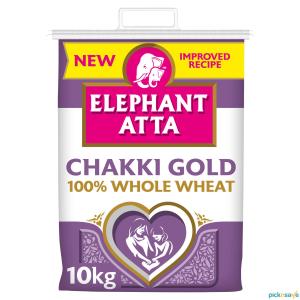
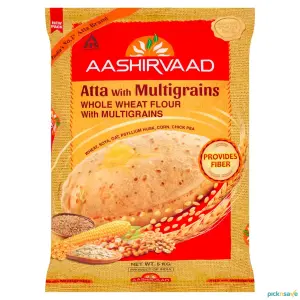
At Pick N Save, the ingredients couldn't be simpler: Elephant Atta flour (the same atta used in our Aloo Paratha), salt, water, and oil for frying. That's it. No yeast, no yogurt, no baking powder, no resting time. The entire recipe from mixing dough to eating hot poori takes 15 minutes. We've been the atta headquarters for Harrow's poori-and-halwa Sunday mornings since 1999.
Step-by-Step Method
Step 1: Make the Poori Dough (5 Minutes)
In a bowl, combine 2 cups (250g) of wholemeal atta flour (Elephant Atta Medium Chapatti Flour 10kg or 5kg), ½ teaspoon of salt, and 1 teaspoon of sunflower oil (KTC Pure Sunflower Oil — the small amount of oil makes the dough pliable and helps the poori puff). Gradually add approximately ½ cup (120ml) of warm water, mixing with your hand, until a stiff, smooth dough forms. Poori dough must be STIFFER than chapati or paratha dough — stiffer dough holds its shape during frying and puffs more reliably. If the dough is soft and sticky, it absorbs too much oil and doesn't puff. Knead for 2 minutes until smooth and crack-free. No resting is necessary — poori dough can be rolled and fried immediately.
Step 2: Roll the Pooris
Divide the dough into 12 equal balls — slightly smaller than golf balls. On a lightly oiled surface (not floured — oil prevents sticking better than flour for poori, and excess flour burns in the frying oil), roll each ball into a flat, round disc about 10–12cm in diameter and 2–3mm thick. Consistency matters: if the disc is uneven (thick in some spots, thin in others), it will puff unevenly. Aim for uniform thickness across the entire disc. If the dough springs back while rolling, let it rest for 1 minute, then roll again.
Critical detail: No holes, no tears, no thin spots. Even a tiny pinprick hole will let steam escape during frying, preventing the poori from puffing. If a disc tears, re-knead it into a ball and re-roll.
Step 3: Deep Fry — The Puffing Technique (5 Minutes)
Heat sunflower oil (KTC Pure Sunflower Oil 5 Litres) in a deep kadhai or pan to 180°C — at least 5cm deep. The oil must be deep enough for the poori to float freely. Test with a tiny piece of dough — it should sizzle vigorously and rise to the surface within 2 seconds.
The puffing technique (this is the entire recipe):
- Gently slide one rolled poori disc into the hot oil — don't drop it from height (splashing) or fold it (creasing prevents even puffing)
- The poori will sink briefly, then immediately rise to the surface (3–5 seconds)
- The moment it rises, use a slotted spoon to gently push the top surface of the poori under the oil with quick, light, pressing motions — you're submerging the top surface in the hot oil, which causes the steam inside to expand and the poori to PUFF into a ball. This gentle pressing is the key technique. Without it, only the bottom cooks and the poori stays flat
- Within 5–10 seconds of pressing, the poori should inflate into a complete, round puff — like a golden ball
- Once fully puffed, flip and cook the other side for 10–15 seconds until golden
- Remove with a slotted spoon and drain on kitchen paper
Total frying time per poori: approximately 30–40 seconds. Fry one at a time until you're confident with the technique, then two at a time. Serve each batch while hot — poori deflate and cool quickly.
Step 4: Serve
Poori must be served hot — within 2–3 minutes of frying. They deflate as they cool (this is normal — the steam condenses), but a hot poori retains its puff and crispness longest. Serve on a plate lined with kitchen paper to absorb excess oil.
Traditional serving combinations:
- Poori + Aloo Curry (the classic): Make a simple spiced potato curry: boil and cube 3 potatoes (Potato White 2kg), fry with cumin seeds, turmeric, green chilli, and amchoor (same filling spicing as our Aloo Paratha but looser with a bit of water). Tear the poori, scoop the aloo. The most iconic pairing.
- Poori + Sooji Halwa + Aloo (the celebration trio): Make quick sooji halwa — toast 100g of semolina (Fudco Semolina Coarse Yellow 1.5kg) in 2 tablespoons of ghee (KTC Butter Ghee 500g) until golden, add 200ml of warm water mixed with 80g sugar and 2 crushed cardamom pods, stir until thickened (3 minutes). Serve on the same plate: 2 pooris, a spoonful of halwa, and a serving of aloo curry. This is the meal that says "Sunday morning" to 500 million North Indians.
- Poori + Chole: The same dark, tangy Punjabi chole from our Chole Bhature recipe — but served with poori instead of bhature. Poori-chole is the lighter, wholemeal alternative to the maida bhature.
- Poori + Mango Pickle + Yogurt: The simplest serving: hot poori, a spoonful of fiery pickle, a dollop of cold yogurt. Done.
Pro Tips from Our Store
- Stiff dough, not soft: The single most common poori failure is soft dough. Soft dough absorbs oil instead of puffing — you end up with flat, greasy discs. Poori dough should feel noticeably stiffer than chapati or paratha dough. Use less water than you think you need — approximately 120ml for 250g of atta. The dough should hold together without being sticky. If in doubt, err on the stiffer side.
- Oil at 180°C — not hotter, not cooler: At 180°C, the poori rises quickly and puffs before the exterior over-browns. At 160°C, the poori sits in the oil too long, absorbs excess oil, and doesn't puff properly. At 200°C, the exterior browns before the interior generates enough steam to puff. 180°C is the precise sweet spot — test with a tiny piece of dough before starting.
- The gentle pressing technique is everything: The poori doesn't puff by itself — you encourage it by gently pressing the surface with a slotted spoon, pushing it briefly under the oil. This ensures the top surface is exposed to the same high heat as the bottom, generating steam evenly inside the dough. The pressing must be gentle and quick — pressing too hard pushes the air out. Think of it as a series of gentle taps, not a sustained push.
- Oil the rolling surface, don't flour it: Loose flour on the surface of the poori burns in hot frying oil, creating black spots and a bitter taste. Instead, lightly oil your rolling surface and rolling pin. The oil prevents sticking without burning. This is the professional technique that produces clean, spotless, golden pooris.
- No holes — check every disc before frying: Hold each rolled disc up to a light source. If you can see any thin spots, pinholes, or tears, the poori will NOT puff because steam escapes through the opening. Re-ball and re-roll any disc with visible imperfections. This 2-second quality check prevents frustration at the frying stage.
- Elephant Atta — medium grind is ideal: Elephant Atta Medium Chapatti Flour produces the best pooris — fine enough to roll smoothly but coarse enough to produce a nutty, wheaty flavour and crispy texture. Very fine atta (maida-like) produces chewier pooris. Coarse atta is harder to roll and produces rougher-textured pooris. Medium grind is the sweet spot for all Indian breads.
Variations to Try
- Masala Poori (Spiced): Add ½ teaspoon of cumin seeds (Fudco Cumin Seeds 300g), ½ teaspoon of ajwain (TFS Ajwain Seeds 100g), ¼ teaspoon of Kashmiri chilli powder, and ¼ teaspoon of turmeric to the dough. Masala poori has a subtle spice flavour and a golden-yellow colour — excellent even without any curry accompaniment.
- Palak Poori (Spinach — Green): Blend 100g of spinach (Baby Spinach 1 pk) with 50ml of water into a smooth purée. Use this spinach water instead of plain water to knead the dough. Palak poori is a beautiful deep green colour, slightly softer, and has a mild spinach sweetness. Kids who won't eat spinach will eat green pooris because the frying eliminates any "green" taste.
- Beetroot Poori (Pink — Kids' Favourite): Grate 50g of raw beetroot and knead into the dough. The beetroot produces stunning pink-magenta pooris that children go absolutely wild for. The beetroot flavour is undetectable after frying — all they see is the colour.
- Methi Poori (Fenugreek): Add 2 tablespoons of finely chopped fresh fenugreek leaves (or 1 teaspoon of kasuri methi / TFS Dried Fenugreek Leaves 100g soaked in water for 5 minutes) to the dough. Methi poori has a slightly bitter, herby, distinctive flavour that pairs beautifully with sweet halwa.
- Mini Poori (Golgappa/Pani Puri Shells): Roll the dough thinner (1–2mm) and cut into 5cm circles using a cookie cutter. Fry at 180°C until puffed and crisp. These mini pooris are essentially homemade Pani Puri shells — fill with spiced potato, chickpeas, and tamarind water for the ultimate street food.
Shop This Recipe at Pick N Save
Every single ingredient for this recipe is available at picknsave.co.uk with home delivery across London and the UK, or click and collect from our store in Harrow. Here's your shopping list:
- Atta Flour: Elephant Atta Medium Chapatti Flour 10kg | Elephant Atta Medium Chapatti Flour 5kg | Heera Atta Chapati Flour 10kg | Pillsbury Atta Flour 5kg | Pillsbury Atta Flour 10kg | Gold Medal Atta 5kg | Gold Medal Atta 10kg
- Oil: KTC Pure Sunflower Oil 5 Litres
- For Aloo Curry (Classic Pairing): Potato White 2kg | Fudco Cumin Seeds 300g | TFS Haldi Powder Rajapuri 100g | TFS Amchoor Powder 100g | Indian Chilli 400g | Fresh Coriander Bunch 1Pc
- For Sooji Halwa (Celebration Trio): Fudco Semolina Coarse Yellow 1.5kg | KTC Butter Ghee 500g | Tate & Lyle Sugar Granulated 1kg | TFS Green Cardamom Jumbo 50g | Fudco Green Raisins 700g | Fudco Cashew Nuts Jumbo 700g
- For Masala Poori: Fudco Cumin Seeds 300g | TFS Ajwain Seeds 100g | TFS Kashmiri Mild Chilli Powder 100g
- For Palak Poori: Baby Spinach 1 pk
- For Methi Poori: TFS Dried Fenugreek Leaves 100g
- Accompaniments: Desi Natural Yogurt 1kg | Patak Mixed Pickle 283g | Patak Mango Pickle 283g