Chicken Madras is the curry that separates those who like spice from those who love it. On the UK curry house heat scale, Madras sits firmly in the "hot" zone — above Rogan Josh, below Vindaloo, and miles above Korma and Tikka Masala. It's the most ordered hot curry in British-Indian restaurants, and "chicken madras recipe" is one of the highest-volume UK curry searches year-round. The reason Madras endures while trendier curries come and go is simple: it's not just hot — it's deeply flavourful. The heat comes from chilli, yes, but the backbone of the sauce is tangy tamarind, concentrated tomato, and a specific South Indian spice blend that gives it a complexity most hot curries lack.
Madras curry is a British-Indian invention — loosely inspired by the spicy cuisine of Chennai (formerly Madras) but developed specifically for the UK restaurant market in the 1960s and 70s. It's darker, tangier, and more tomato-heavy than most traditional South Indian curries. The defining characteristics: a dark red-brown colour (from concentrated tomato and chilli), a pronounced tanginess (from tamarind or extra lemon), noticeable chilli heat that builds over the course of the meal, and a thinner sauce than cream-based curries. At Pick N Save, we stock Patak Madras Curry Paste (283g retail and 2.4kg catering — the same paste used by thousands of UK curry houses), plus the individual spices for anyone who wants to build from scratch. This is the recipe that completes your curry collection's spice scale — from our mild Chicken Korma all the way up to this fiery Madras.
Heat 3 tablespoons of sunflower oil (KTC Pure Sunflower Oil 5 Litres) in a large pan over medium-high heat. Add 1 teaspoon of mustard seeds (TFS Mustard Seeds Large 100g) — let them pop for 3 seconds. Add 10–12 fresh curry leaves (Fresh Curry Leaves) — they'll crackle. These two ingredients immediately signal that this is a South Indian-inspired curry, distinct from the North Indian cream-based curries.
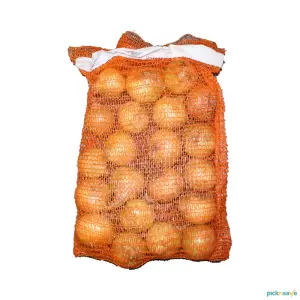
Add 2 medium onions, finely diced (White Onions Prepack 4Kg). Cook for 5–6 minutes until deep golden-brown — darker than for Korma or Tikka Masala. The darker onion base gives Madras its characteristic depth and colour. Add 1 tablespoon of ginger garlic paste (Fudco Ginger Garlic Paste 300g) and 2–3 green chillies, finely chopped (Indian Chilli 400g). Cook for 1 minute.
Add 3 tablespoons of Patak Madras Curry Paste (Patak Madras Curry Paste 283g). Stir and cook for 2 minutes until the paste darkens and the oil begins to separate at the edges — this is the sign that the spices are properly toasted and the raw taste has been cooked out.
For additional heat and complexity, add: 1 tablespoon of Kashmiri chilli powder (TFS Kashmiri Mild Chilli Powder 100g — for deep red colour), 1 teaspoon of hot chilli powder (TFS Red Chilli Powder 100g — for actual heat), 1 teaspoon of ground coriander (TFS Dhana Coriander Powder 100g), ½ teaspoon of ground cumin (TFS Jeera Powder 100g), ½ teaspoon of turmeric (TFS Haldi Powder Rajapuri 100g), ½ teaspoon of black pepper freshly ground (TFS Black Pepper Whole 100g), and salt to taste. Stir for 1 minute until fragrant. The double chilli powder (Kashmiri for colour + regular for heat) is the technique that gives Madras both its vivid red-brown colour and its controlled, building heat.
Add 1 tin of KTC Chopped Tomatoes (400g) — the full tin. Madras is tomato-heavy — the tomato provides the tangy, acidic backbone that distinguishes it from cream-based curries. Cook for 3 minutes, stirring, until the tomatoes break down completely and the sauce becomes thick and paste-like.
Add the tamarind — this is the secret ingredient that makes Madras tangy rather than just hot. Soak a walnut-sized piece of tamarind (Fudco Tamarind Slabs 200g) in 3 tablespoons of warm water for 5 minutes, squeeze and strain, and add the tamarind water to the sauce. Alternatively, use 1 tablespoon of tamarind paste (ready-made). The tamarind adds a sour, fruity depth that no amount of lemon juice can replicate — it's the flavour that makes you reach for your next bite even when your mouth is on fire.
Add 600g of boneless chicken thighs cut into 3cm chunks. Stir to coat every piece in the Madras sauce. Add 200ml of hot water — Madras sauce is thinner than cream-based curries, more of a wet, clingy sauce than a thick gravy. Bring to a simmer and cook on medium heat, uncovered, for 12 minutes until the chicken is cooked through and the sauce has reduced to a dark, intense, clingy consistency that coats each piece of chicken.
Taste and adjust: if not hot enough, add another ½ teaspoon of hot chilli powder. If too hot, add a squeeze of lemon juice and a pinch of sugar — both soften the heat without diluting the flavour. If too tangy, add a pinch of sugar. The sauce should taste: hot (building, not instant), tangy (from tomato and tamarind), aromatic (from the mustard seeds and curry leaves), and dark (from the concentrated spice paste).
Add ½ teaspoon of garam masala (TFS Garam Masala 100g) and a squeeze of fresh lemon juice (Lemon Loose Yellow Big 3 pcs). Stir. Scatter chopped fresh coriander (Fresh Coriander Bunch) on top.
Serve with basmati rice (Tilda Basmati Rice 5kg) — Madras is traditionally a rice curry, not a bread curry. The thinner sauce soaks into the rice beautifully. Garlic Naan works for mopping up the last of the sauce. A side of Cucumber Raita is strongly recommended — the cold yogurt counteracts the chilli heat and gives your palate a break between bites. A cold beer or a glass of Mango Lassi are the best drink pairings with hot curry.
Every single ingredient for this recipe is available at picknsave.co.uk with home delivery across London and the UK, or click and collect from our store in Harrow. Here's your shopping list:
*RI = Reference Intake. Values are approximate. Madras is one of the leanest curries — no cream, no coconut, no butter.